











History of Cruise Travel Trade
The cruise travel trade has never stood still. What began with agents booking ocean liner passage grew into a global profession that now steers millions of travelers onto ships each year. Each era reshaped the role of advisors, sharpening their expertise, tools, and influence. The remarkable story of the travel trade mirrors the dynamic, resilient, and essential rise of the cruise industry.
Evolving Expertise in Cruise Sales
In the late 1800s, agents sold steamship tickets alongside rail and hotel stays. They were part salesman, part fixer. Over time they became trusted guides, untangling the routes and smoothing the way.
CLIA travel trade members played a crucial role in shaping the travel trade cruise industry into what it is today.
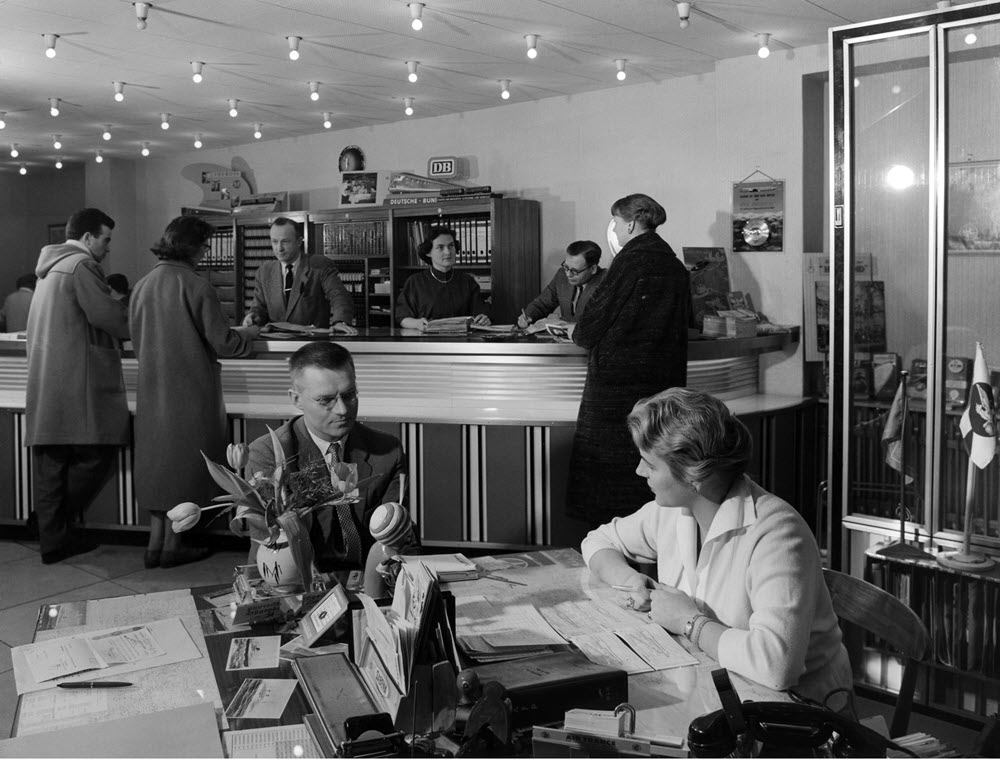
Timeline: Cruise Agents Navigating Change
From contemporary cruising holidays to today’s mix of digital tools and personal counsel, advisors have always stood at the center.
Origins of Cruise Travel Agencies
(Late 19th - Early 20th Century)
Early Passenger Travel
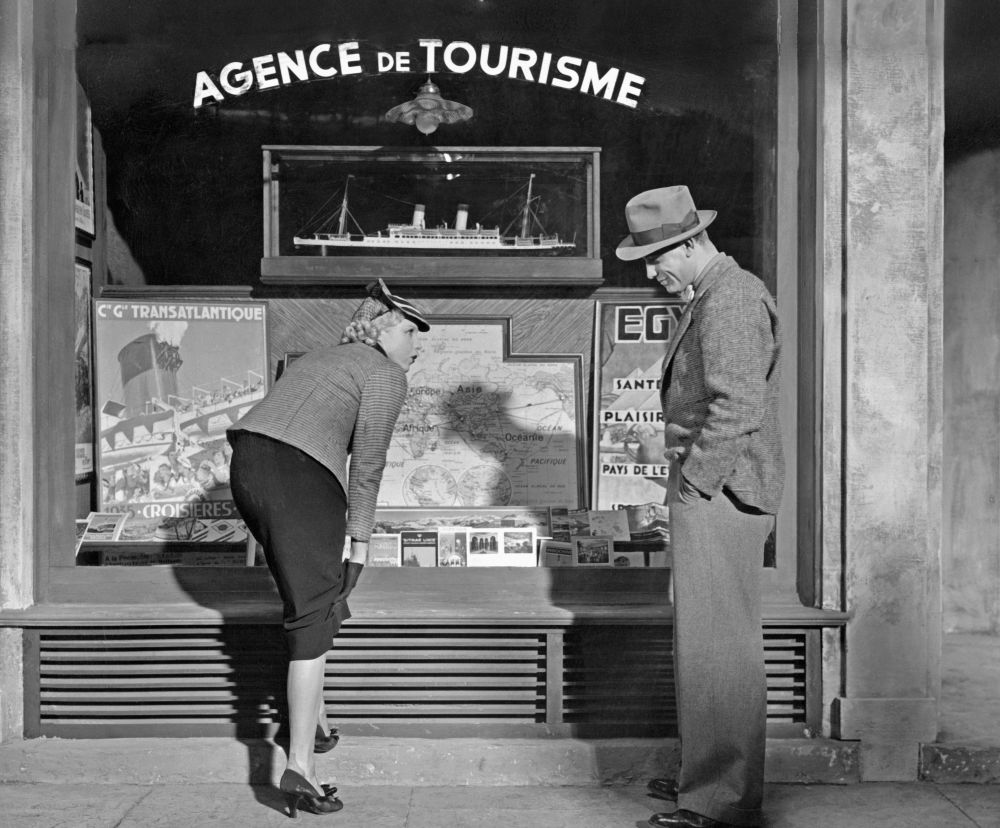
In the late 1800s and early 1900s, transatlantic ocean liners primarily carried emigrants and wealthy travelers. Travel agents, often generalists, sold passage aboard these liners along with rail and hotel packages.
First Cruise Voyages
The concept of leisure cruising emerged in the late 19th century. Companies began selling pleasure cruises. Specialized agents started to appear in major cities catering to affluent clients seeking these new experiences.
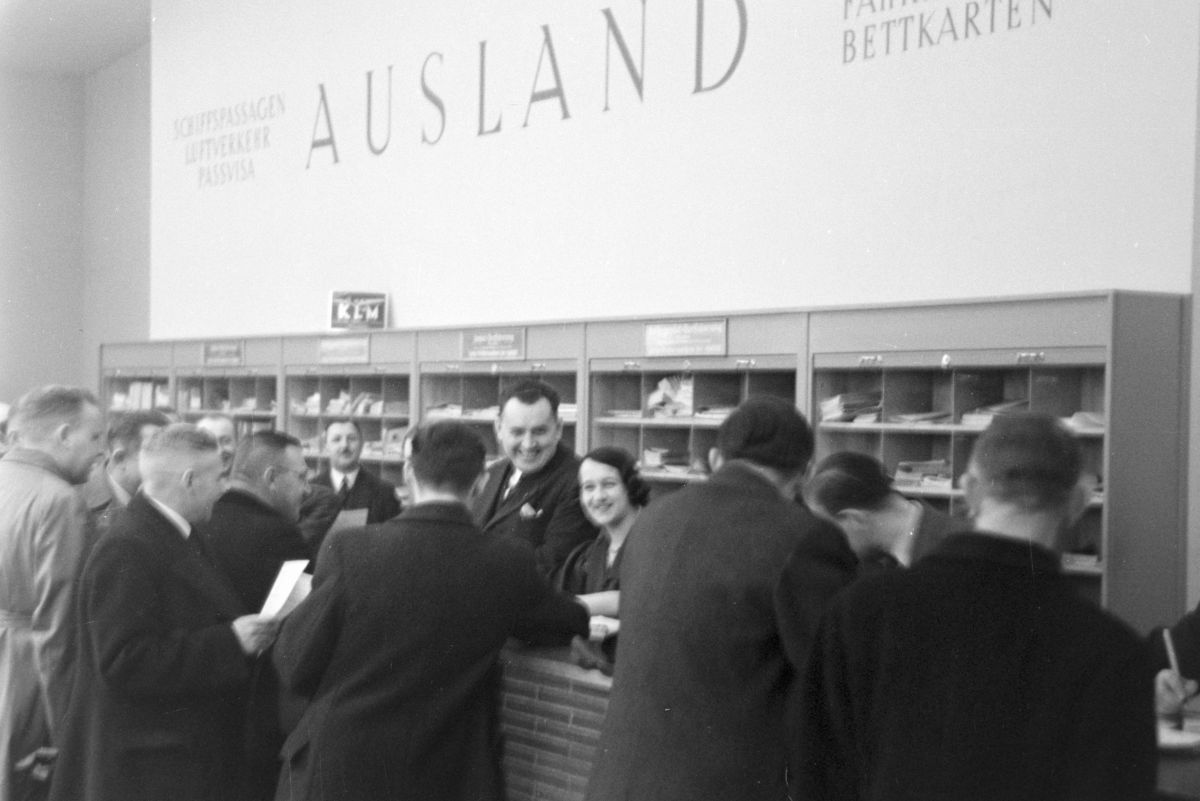
Post-War Growth & Specialization
(1950s-1970s)
Air Travel
Commercial aviation replaced ocean liners for transatlantic crossings. The cruise industry pivoted to leisure cruising, with ships offering entertainment and tropical itineraries.
Emergence of Cruise Specialists
General travel agencies began dedicating agents to selling cruises as products grew more complex. Cruise-focused agencies were founded so agencies became key sales channels.
Golden Age of Cruise Agencies
(1980s-1990s)
Contemporary Cruising
With companies like Carnival Cruise Line offering affordable vacations, cruising became mainstream. Agencies played a crucial role in educating new cruise customers.
Agent Training & Certification
Cruise Lines International Association (CLIA) was founded in 1975 to promote cruising and professionalize agent training. CLIA’s certification programs became industry standards in the 1990's.
Technology & Consortia
Agencies adopted CRS (Computer Reservation Systems) and later GDS (Global Distribution Systems). Large agency consortia provided marketing power and negotiated benefits.

Digital Disruption & Evolution
(2000s-2010s)
Online Booking Platforms & Host Agencies
The rise of online travel agencies shifted some business online. But for cruise products, many consumers continued to rely on human agents. The growth of home-based agents using host agencies expanded the market.
Luxury & Specialty Agencies
As luxury and expedition cruising grew, niche agencies specialized in these segments, providing high-touch services.
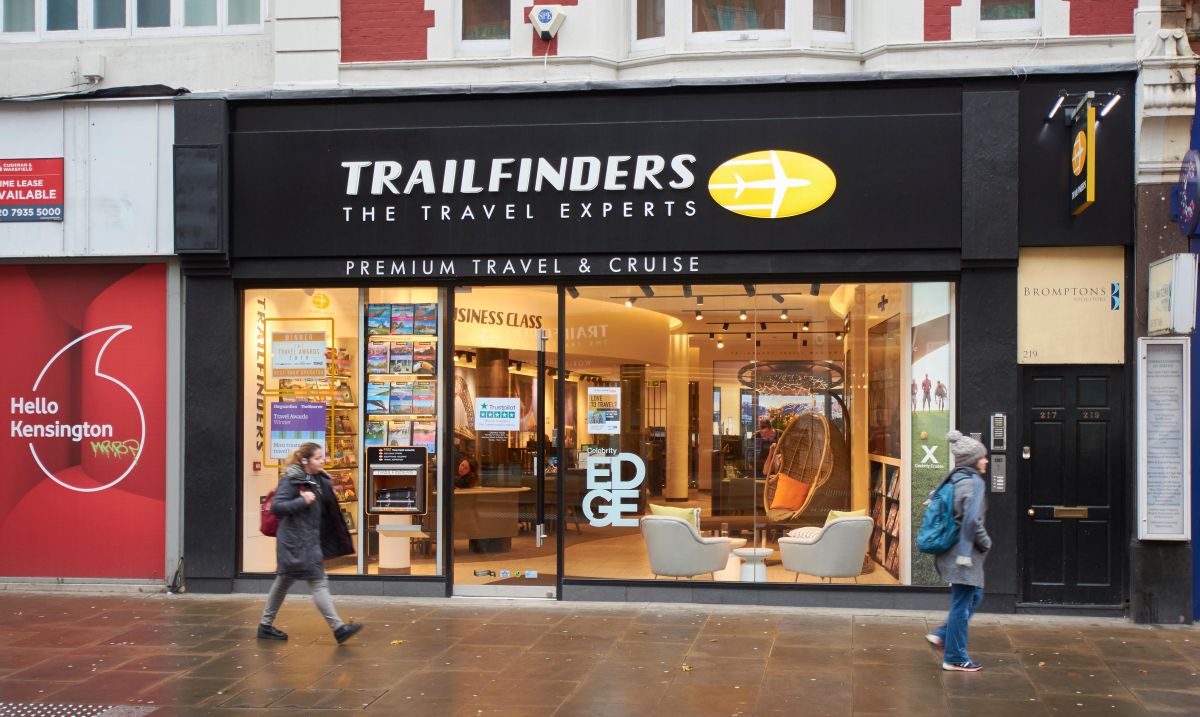
Recent Trends
(2020s-Present)
Pandemic Impact
COVID-19 dramatically disrupted cruising. Agents played a critical role in cancellations, rebookings, and future cruise credits. Many agencies pivoted to provide personalized service during uncertainty.
Recovery & AI
As the cruise industry rebounded, agencies increasingly adopted a hybrid model of personalized service for complex bookings and online tools for straightforward itineraries. AI-driven tools are helping agents personalize marketing, automate communications, and manage customer relationships.
Renewed Value of Human Expertise
The complexity of modern cruise products (ships, itineraries, pricing, policies) continues to reinforce the value of expert cruise agents.